
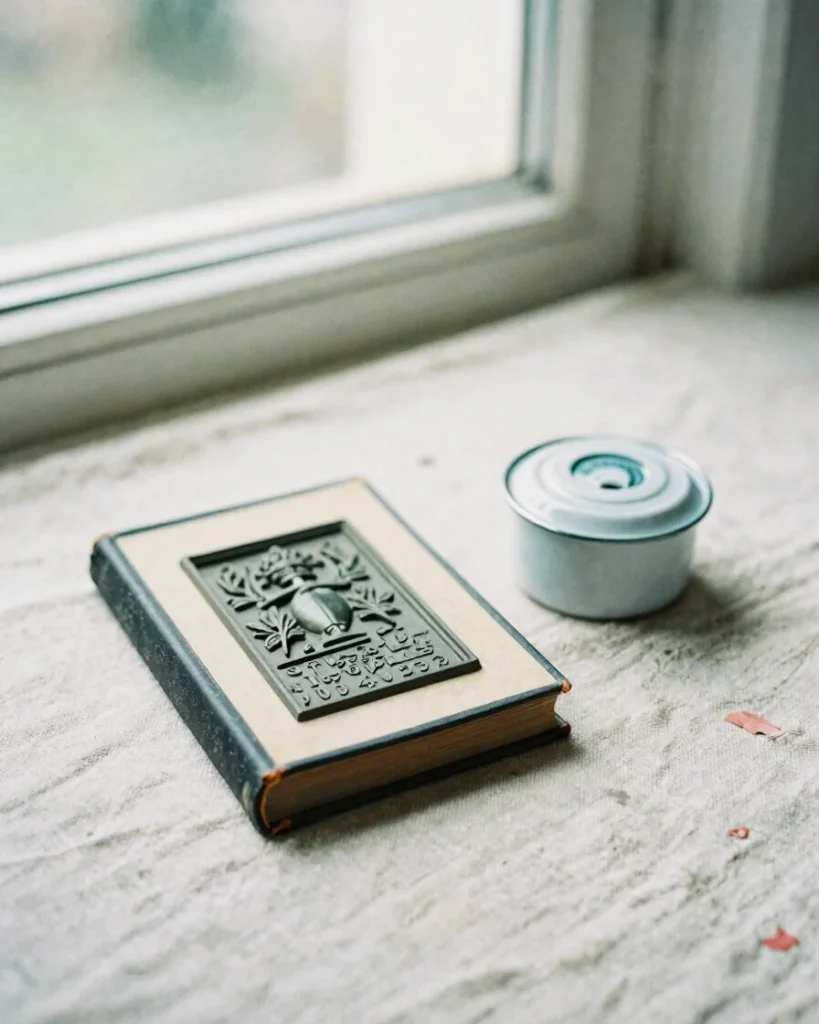
Our Story
Mrs. Hansen's Peculiar Bible Studies & Thrift Shop grew out of a parlor table, a stack of morning study notes, and afternoons spent salvaging what others left behind.
The beginning
Every morning began the same way: a cup of coffee, an open Bible, and a notebook filled with questions that did not need tidy answers. Scripture rewards slow reading, and I found that a verse read twice in one sitting often opened up more than one read in a hurry. By afternoon I was out in the county, poking through estate boxes, church rummage tables, and the back shelves of old houses. Those hours taught me the same patience. A chipped bowl or a faded hymnal has a history worth noticing, and the people who once owned these things left marks of their own.
The parlor became the place where the two habits finally sat down together. Study notes went beside the day's finds, and before long the finds began to show up in the writing. This shop and this blog are one project now: a place to read carefully and to buy things that have already lived a life. The approach is shaped by Southern hospitality, honest descriptions, and respect for well-worn things. Every piece is described as it is, with its wear, its marks, and its story where we know it.
The shared practice
Whether I am reading a difficult passage or turning over a secondhand bookplate, the work is the same. It means paying close attention to text and objects that are easy to skip, and asking what they have to say. I try to write about scripture the way I shop: slowly, honestly, and with room for the question that is still open.
Your shopping cart is empty
Notifications